
Sie bestellen als “Gast”!
Wild Birds
How Often Should You Feed Wild Birds?
12
Jul
Jul
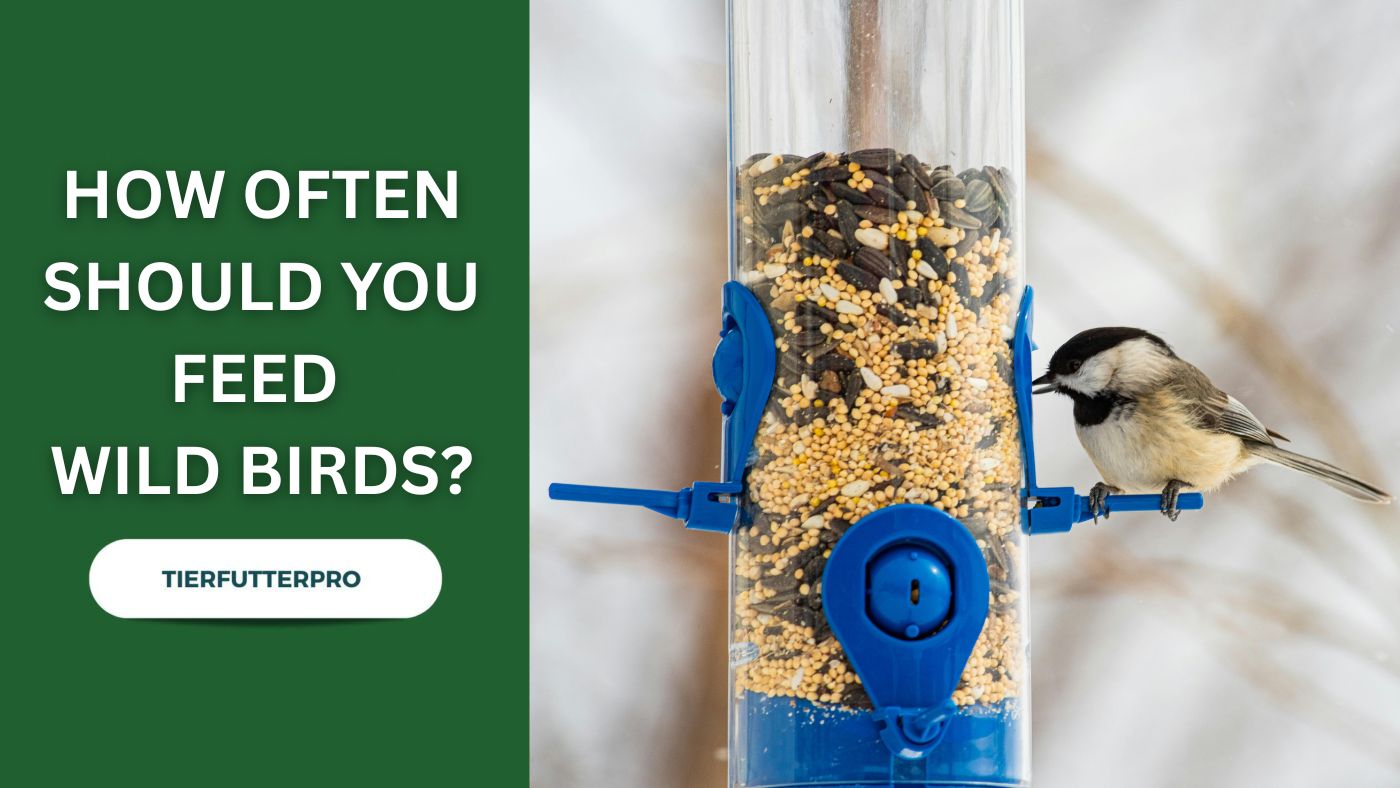
Connecting with nature from your garden or balcony is incredibly rewarding, and feeding wild birds is one of the best ways to do it. But a common question is How often should you feed wild birds?
In this detailed article, we’ll explain the best feeding frequency, seasonal habits, and practical tips for feeding wild birds.
Here Is How Often you should feed Wild Birds
Feed wild birds at least once daily; increase to twice daily in winter, adjusting based on the season, adjusting amounts to demand, maintain clean feeding stations, local weather, and the birds’ behaviour. Early morning and late afternoon are optimal feeding times.
Wild Birds Feeding Frequency by Season
| Season | Recommended Frequency | Recommended Food Types |
|
Winter |
Daily (morning & late afternoon) |
High-fat seeds like sunflower seeds, suet, and fat balls are essential for energy during cold weather. |
|
Spring |
Every 1–2 days |
Protein-rich foods like mealworms, natural food increase during the breeding season. |
|
Summer |
2–3 times a week |
Light feeding; insects and berries are abundant, reducing the risk of spoilage and pests. |
|
Autumn |
Gradually increase to daily |
Help birds build fat reserves for migration or hibernation; a mix of seeds and fats is recommended. |
What to Feed Wild Birds?
Different birds have different preferences, but a varied mix ensures attraction and nutrition.
- Seeds: Black sunflower seeds, millet, safflower
- Nuts: Unsalted peanuts, chopped walnuts
- Fat: Suet blocks, fat balls (no netting)
- Fruits: Apples, raisins, berries
- Mealworms: Especially in spring for protein
Know what to feed wild birds and some of the safe and nutritious options for them.
Expert Recommended Tips for Successful Bird Feeding
- Place feeders thoughtfully: Position feeders in sheltered spots away from direct sunlight and strong winds. Good visibility helps birds spot predators like cats, ensuring they feel secure during feeding.
- Maintain cleanliness: Regularly clean feeders and remove any leftover food to prevent mould and disease.
- Provide fresh water: Alongside food, fresh water is essential for drinking and bathing, especially in hot weather.
- Plan for absences: If you are going on holiday, gradually reduce feeding a few days before to avoid sudden food disappearance, which can confuse birds.
How to Know If You’re Feeding Too Much or Too Little
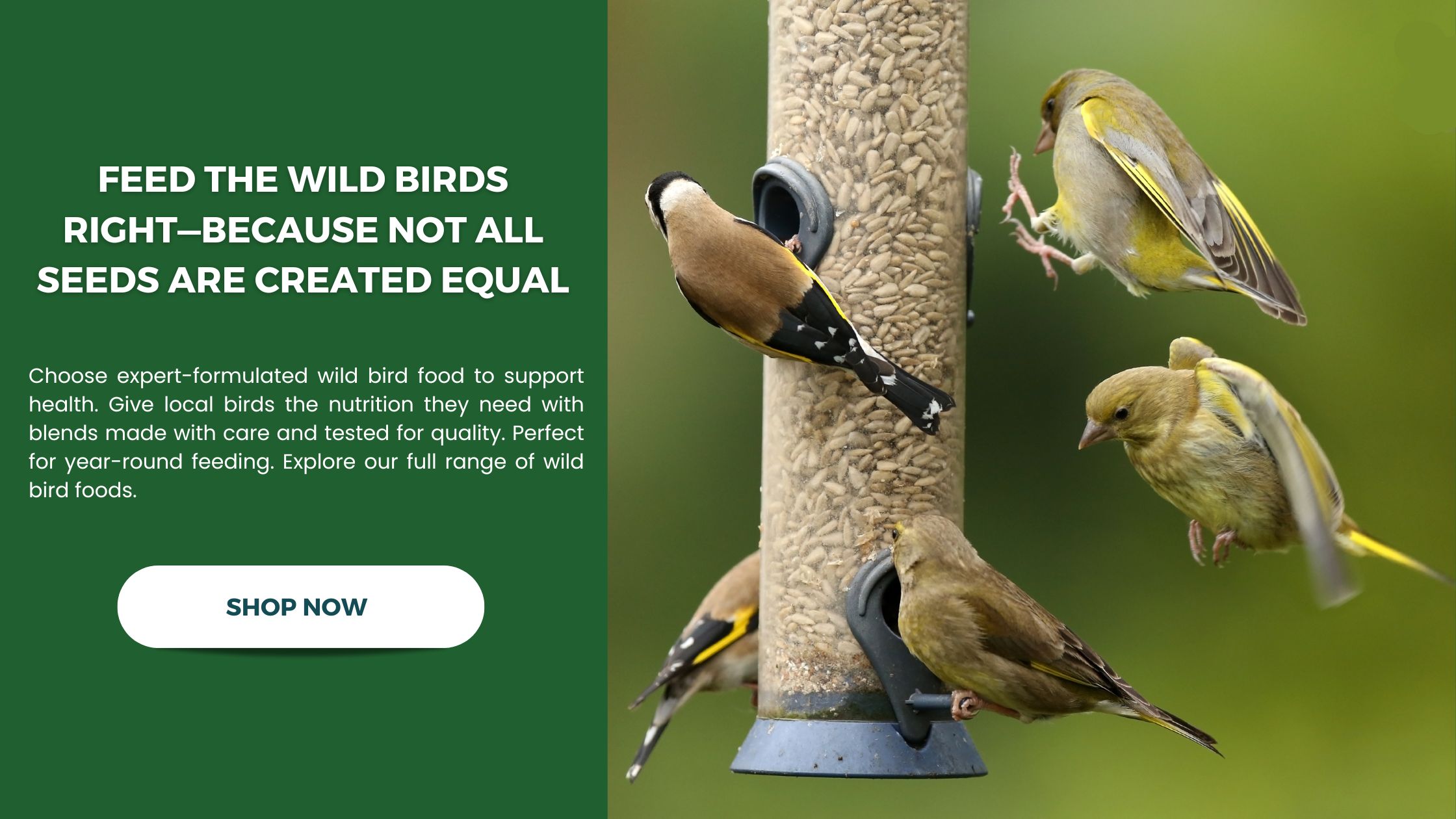
Find the right balance. Make small, daily adjustments to the amount of food you put out. If there’s too much leftover by evening, reduce it slightly the next day. If everything’s gone quickly and the birds seem to be waiting for more, try increasing the amount bit by bit.
Signs You’re Feeding Too Little
If you’re feeding too little, you might notice birds swooping in, eating quickly, and then leaving just as fast, or lingering around as if they’re still hungry. If all the food disappears within an hour and your feeders are empty for the rest of the day, it may it may indicate that the portion you provide isn’t enough to satisfy their hunger.
Signs You’re Feeding Too Much
If food remains in the feeder for long periods and starts to spoil or grow mould, it’s a clear sign you are offering more than the birds can consume. Mouldy food can be harmful to birds and should be avoided.
Excess food often attracts pests like squirrels, rats, or unwanted insects, which can disturb the birds and create hygiene problems in your garden.
Some Bird Food Recommendations by Season
Providing the right food helps attract and support wild birds year-round. Here are some top picks from Tierfutterpro:
- Black Sunflower Seeds 2.5 kg: High-fat seeds that provide essential energy, especially in winter.
- Hulled Sunflower Seeds 2.5 kg: Mess-free, nutrient-rich seeds ideal for smaller birds.
- Panto Tit Dumplings & Rings: Fat-rich treats perfect for tits and small birds during cold months.
- HobbyFirst Wildlife 4 Seasons Bird Food 5kg: Balanced seed mix for year-round feeding.
- Eurital Fatty Feed 5 kg Shell-less: High-energy feed for pigeons and wild birds.
- Eurital Seed Lure Feed 2.5 kg: Seed blend designed to attract a variety of wild birds.
Explore these options at Tierfutterpro to keep your garden birds healthy and happy!
Conclusion
Ideally, you should feed birds at the same time each day. While birds don’t follow strict schedules, they quickly adapt to feeding routines. Giving them food regularly encourages them to come to your garden.
This routine supports their natural foraging behaviour and promotes healthier eating habits, much like how regular mealtimes benefit humans.
Use high-quality feed like that from Tierfutterpro to ensure the health and happiness of your garden visitors.
Regular, responsible feeding supports your local bird population and enhances your garden’s biodiversity.

